Have you ever had a web app idea that felt exciting in your head… but the moment you thought about coding, it instantly became overwhelming?
You are not alone.
For years, building a web app meant learning programming languages, hiring developers or app designers, or spending months figuring out tools that were never designed for beginners. That gap between “idea” and “execution” stopped countless people from building something meaningful.
But that reality has changed.
Today, AI tools are making it possible for non-coders to build and launch web apps faster than ever. You do not need to write complex code. You do not need a big team. You just need clarity, creativity, and the right tools.
Let’s explore the top AI tools that are helping non-coders turn ideas into real, working web apps.
Why Are AI Tools Changing the Game?
Before we jump into the tools, it is important to understand what makes this shift so powerful.
AI tools are not just replacing code. They are reducing the friction between thinking and building.
Instead of:
- Writing code line by line
- Debugging errors
- Managing infrastructure
You can now:
- Describe your idea
- Generate UI instantly
- Connect workflows visually
- Launch faster with minimal effort
This is where a new category of platforms is emerging. Some people call them no-code tools. Others call them AI builders. But the most advanced ones are evolving into something more meaningful: Vibe Solutioning Platform.
These platforms focus on translating your intent into a working product, not just giving you building blocks.
Top AI Tools for Non-Coders to Build Web Apps
Let’s break down the most powerful tools you can use today.
1. Rocket.new
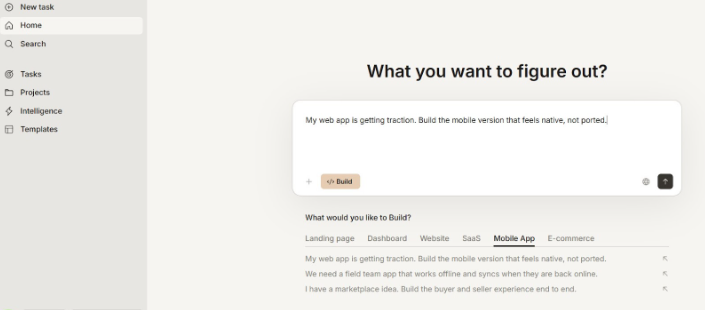
Most tools help you build. Rocket.new, a vibe solutioning platform, helps you figure out what to build and why, before you even start.
Instead of just giving you a builder, it brings research, app creation, and competitor insights into one place. That means you are not jumping between tools or guessing your next step.
Why Rocket.new is different:
- Turns ideas into structured product flows and features
- Combines research, build, and competitive intelligence in one platform
- Helps you validate ideas before building
- Speeds up iteration with connected workflows
- Offers 25k+ templates, including apps, websites, and landing pages
What you can build:
Web apps, mobile apps, landing pages, and even e-commerce stores.
Best use case:
Founders and creators who want to go from idea → clarity → working product without getting stuck or overwhelmed.
2. Bubble
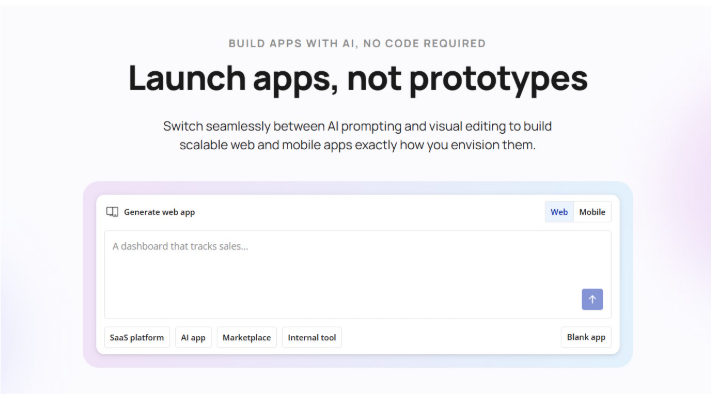
Bubble is one of the most well-known platforms for building web apps without code.
It gives you a visual editor where you can design your app, define workflows, and manage databases all in one place.
Why it works well for non-coders:
- Drag-and-drop interface
- Built-in database and backend
- Strong community and tutorials
- Flexible enough for complex apps
Where AI comes in:
Bubble has been integrating AI features that help with:
- Generating workflows
- Suggesting app logic
- Automating repetitive tasks
Best use case:
If you want to build something like a marketplace, SaaS tool, or dashboard-heavy app, Bubble is a strong choice.
3. Replit
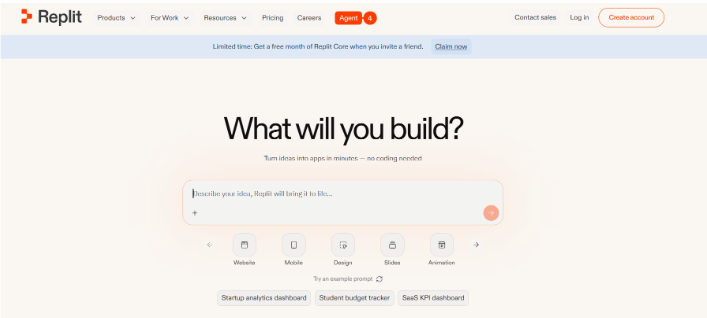
Replit has evolved into a powerful AI-assisted development environment with massive adoption.
Highlights:
- AI agent that can build and modify apps
- One-click deployment
- Browser-based development
- Large template and community ecosystem
AI capabilities:
Its AI can generate code, fix bugs, and help structure your app based on simple instructions.
Why it fits:
Even without coding experience, users can build and launch apps with AI guidance, making it a strong bridge between no-code and full-code.
4. Bolt.new
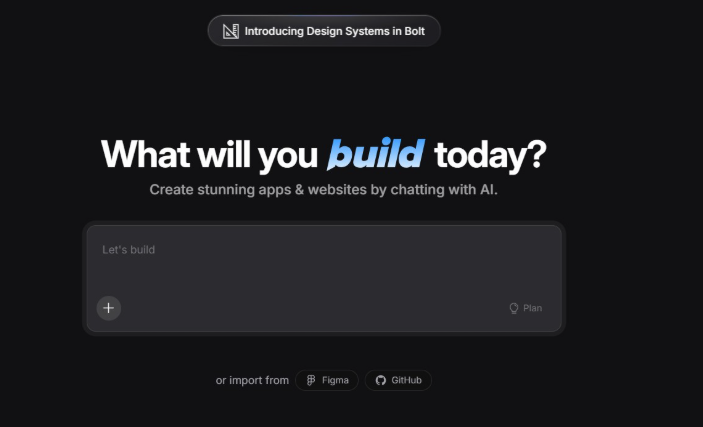
Bolt.new is built for speed. You describe what you want, and it generates a working web app almost instantly.
Highlights:
- Prompt-to-app generation
- Full-stack output (frontend + backend)
- Runs directly in the browser
- Fast iteration with minimal setup
Why it fits:
It is one of the fastest-growing AI-first tools, perfect for non-coders who want to go from idea to a working prototype quickly.
5. Glide
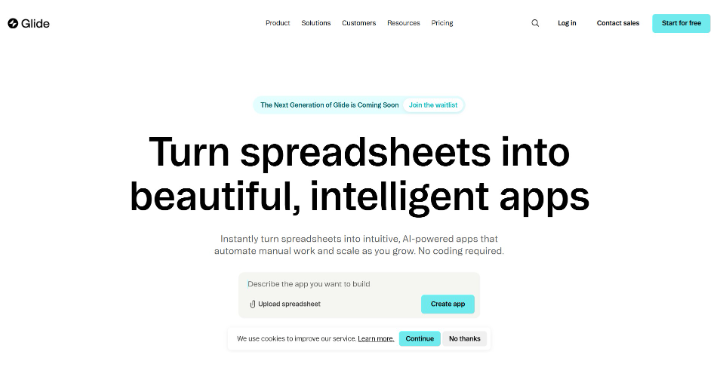
Glide takes a simpler approach compared to Bubble.
It allows you to turn spreadsheets into fully functional apps. You start with data, and Glide builds the interface around it.
Why it stands out:
- Extremely beginner-friendly
- Fast setup
- Clean UI templates
- Works well with Google Sheets
AI capabilities:
Glide uses AI to:
- Suggest layouts
- Automate data relationships
- Enhance user experience without manual setup
Best use case:
Internal tools, lightweight apps, or quick MVPs.
6. Adalo
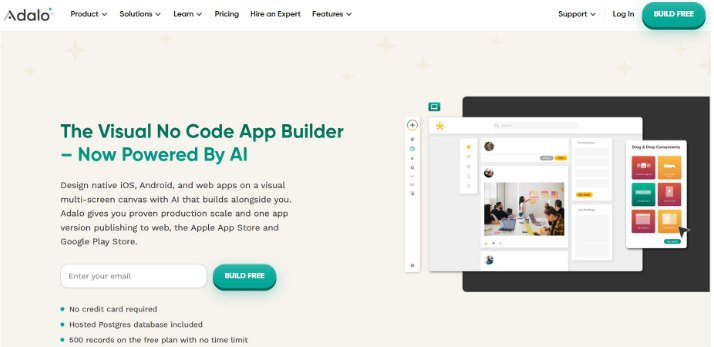
Adalo focuses on building apps with a mobile-first mindset, but it also supports web apps.
What makes it useful:
- Simple visual builder
- Pre-built components
- Easy database setup
- App publishing options
AI-driven benefits:
While not heavily AI-first, Adalo integrates automation and smart suggestions that reduce manual effort.
Best use case:
Apps with user accounts, profiles, and basic interactions.
7. Softr
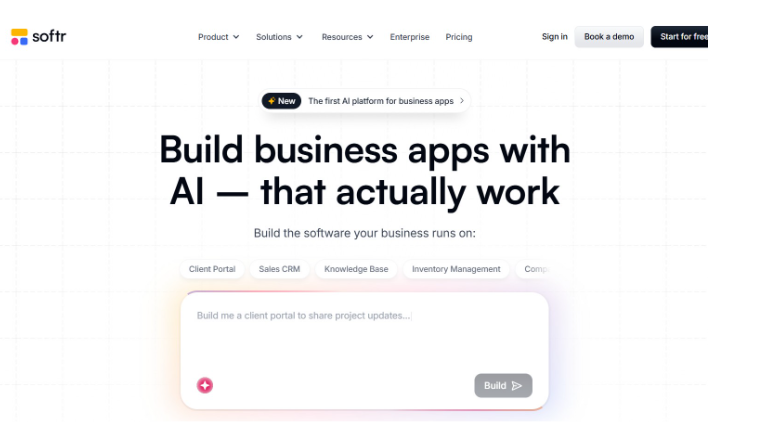
Softr is designed for turning data into powerful web apps quickly.
It connects with tools like Airtable and Google Sheets and builds apps on top of them.
Why people love it:
- Clean and modern templates
- Easy integrations
- Fast deployment
- No technical setup
AI advantage:
Softr helps automate:
- Page creation
- Layout structuring
- Content organization
Best use case:
Client portals, membership sites, and data-driven apps.
8. Thunkable
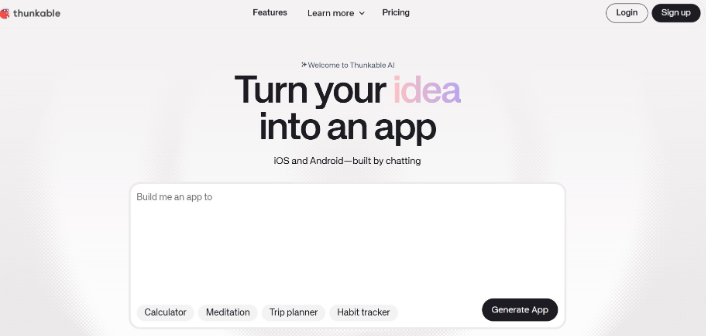
Thunkable is more focused on mobile apps, but it is still relevant for web-based solutions.
Key strengths:
- Visual logic builder
- Drag-and-drop UI
- Real-time testing
AI role:
AI helps simplify logic creation and reduce complexity in app workflows.
Best use case:
Apps that need both mobile and web compatibility.
9. OutSystems
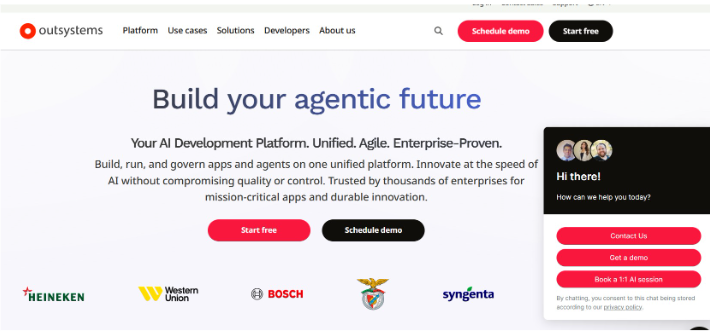
OutSystems sits between no-code and traditional development. It is more powerful but slightly more complex.
Why consider it:
- Enterprise-grade applications
- Scalable architecture
- Strong automation features
AI integration:
OutSystems uses AI to:
- Suggest code logic
- Optimize performance
- Automate development workflows
Best use case:
If you want to build something scalable without starting from scratch.
10. Flowstep
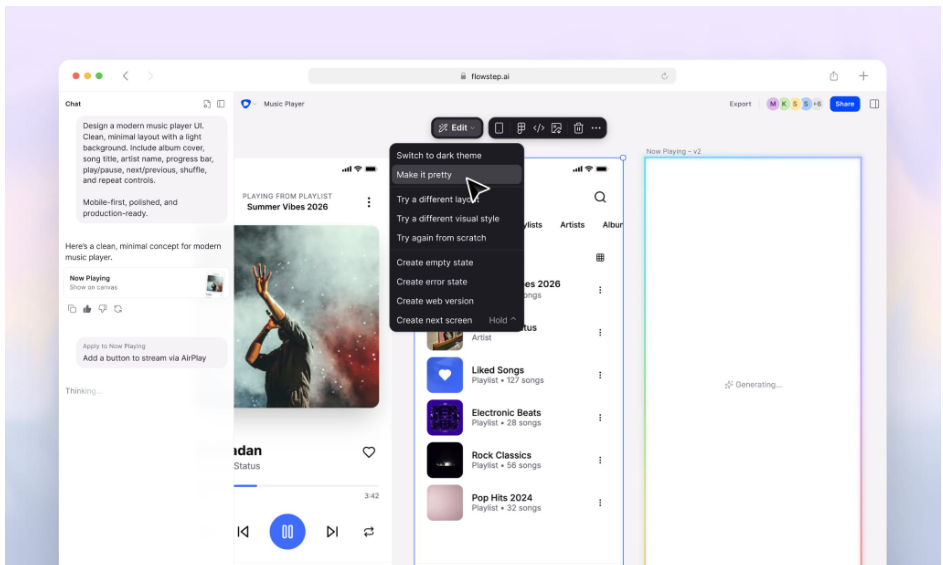
Flowstep is an AI design engineer. It creates UI designs from text prompts. You can attach a screenshot, a link, or PRD for better context. Flowstep support Figma copy&paste without plugins and clean code export
Why it stands out:
- Multi-screen UI generation from 1 prompt.
- AI editing with prompts or manual editing.
- Generates UI that can be copy and paste to Figma.
- Exports clean React, TypeScript, and Tailwind CSS.
- Connects with apps and coding tools via MCP.
AI capabilities:
- UI generation & editing
- Clean code generation & export
Best use case:
Multi-screen UI generation with production-ready code export.
Choosing the Right Tool for Your Needs
With so many options, it is easy to feel stuck. The simplest way to decide is to match the tool with your immediate goal.
If you want clarity and a strong starting point, Rocket.new helps you turn ideas into structured products quickly.
For quick and simple apps, Glide and Softr are easy to use and fast to launch. If you need more flexibility and control, Bubble is a strong choice.
If you want an AI-first approach where your idea turns into a working app quickly, Bolt.new is a great fit. For a more guided, AI-assisted development experience with room to grow, Replit works well. Developers who want coding assistance within a more traditional workspace may prefer an AI IDE, which integrates AI capabilities directly into the development environment. Businesses that require custom-built solutions and scalability may also benefit from working with a software development company to turn complex ideas into fully tailored applications. When off-the-shelf tools reach their limits, platforms like Lemon.io can help bridge the gap by connecting businesses with pre-vetted senior developers. This allows teams to build custom features and scalable applications without spending significant time on technical screening or candidate evaluation.
The best tool is simply the one that helps you start building today.
What Most People Get Wrong
Here is something important.
Many beginners think the tool is the hardest part.
It is not.
The real challenge is:
- Defining what you are building
- Understanding your users
- Keeping the first version simple
AI tools can help you build faster. But they cannot fix a vague idea. An AI agent can automate specific tasks, respond to users, and work across connected tools, but it still needs a clear objective and well-defined instructions. If you're exploring different options, a best AI tools directory can help you compare tools and choose the ones that match your project.
That is why the best results come when you:
- Start small
- Build quickly
- Learn from real users
- Improve step by step
A Quick Note on Building Your Web Presence
While the tools above help you build web apps, you might also want a simple website to showcase your product.
This is where Design’s AI website builder becomes useful.
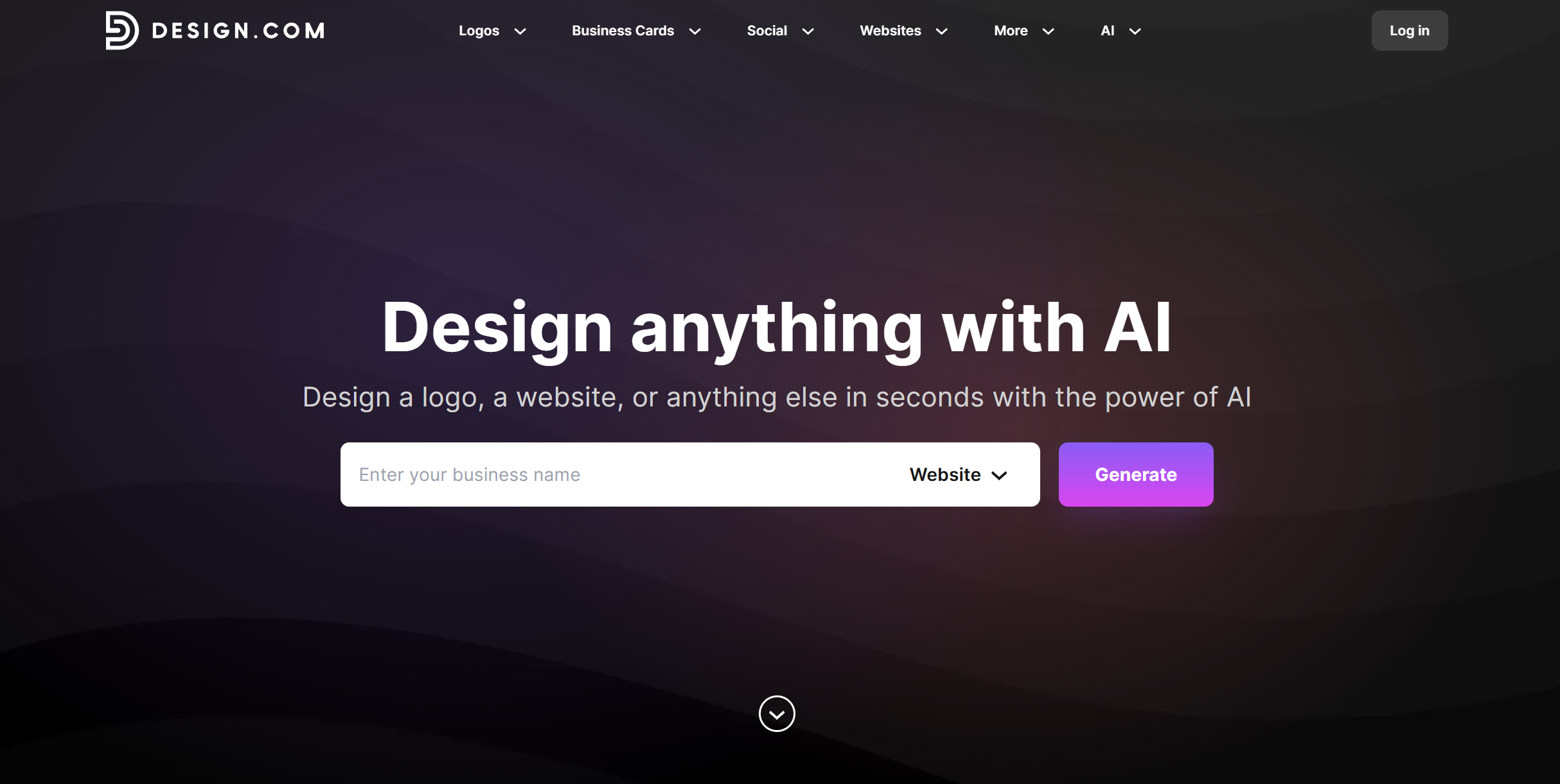
It is not meant for building complex applications. Instead, it helps you:
- Create clean landing pages
- Present your idea clearly
- Build an online presence quickly
Think of it as a complementary tool rather than a core app builder.
The Future of Building Without Code
We are entering a phase where building software is becoming more about thinking clearly than coding perfectly.
The gap between idea and execution is shrinking.
And tools are evolving from:
- No-code platforms → AI-assisted builders → Full Vibe Solutioning Platforms
This shift is important because it changes who gets to build.
You no longer need:
- A technical background
- A big budget
- A large team
You just need:
- A clear idea
- The willingness to experiment
- The ability to learn as you go
Final Thoughts
So, can non-coders really build and launch web apps today?
Absolutely.
But the real advantage is not just speed. It is confidence.
With tools like Rocket.new leading the way, and platforms like Bubble, Glide, and Softr supporting different needs, building a web app is no longer limited to developers.
It is open to anyone willing to try.
And that changes everything.
Written by DesignCrowd on Friday, April 17, 2026
DesignCrowd is an online marketplace providing logo, website, print and graphic design services by providing access to freelance graphic designers and design studios around the world.
